

Who is Jesus?
A first impression rarely tells us everything.
That is true of people, isn't it?
At first, we may see someone through a vague image.
Then, as we get to know them, we realize, “This person is not at all who I imagined.”
Jesus may be like that.
About two thousand years ago, one man walked through the towns of Israel, spoke with people, and shared meals with them.
So who was Jesus, really?
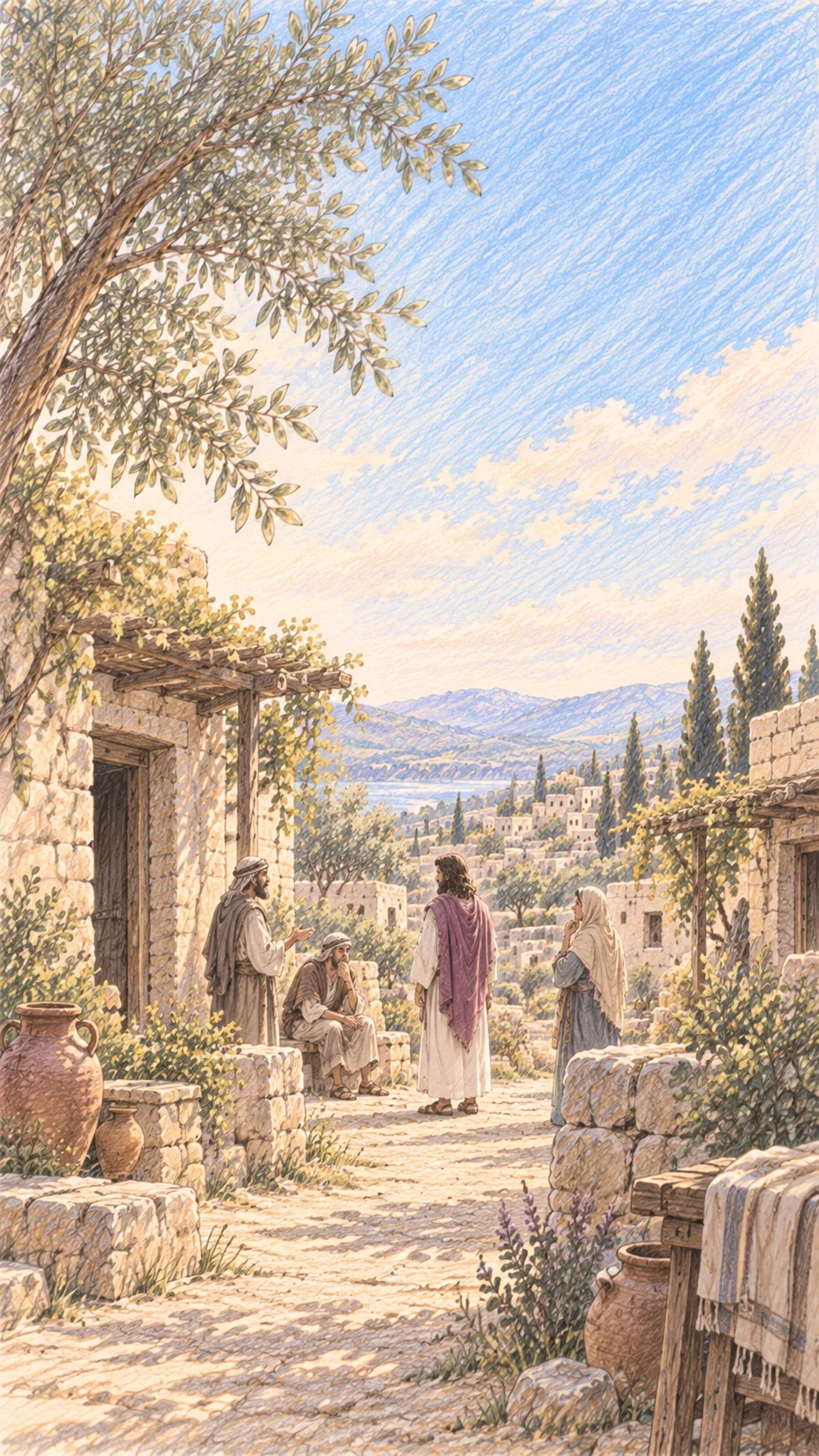
People in his own time did not all give the same answer.
Some thought he was a teacher.
Others thought he was a prophet.
Some saw him as a deeply faithful and remarkable man.
Each of those views notices something real about Jesus.
But the Bible does not stop there.
It goes on to say that he is more than that.

This is where the story becomes a little mysterious.
John called Jesus “the Word.”
Words make an unseen thought known to someone else.
The Bible says that Jesus shows us what the unseen God is like.
And it says that this “Word” was God, became human, and came to live among us.
It is mysterious. But this is one of the places where we enter the heart of Christianity.

Though God, he came as a human being.
This is not a story about God watching humanity from far away.
Jesus walked. He became tired. He ate with people, and he wept for a friend.
Joy. Sorrow. Pain.
He came into the same world in which we live.
God became human.
This is the Jesus in whom At Home Church believes.
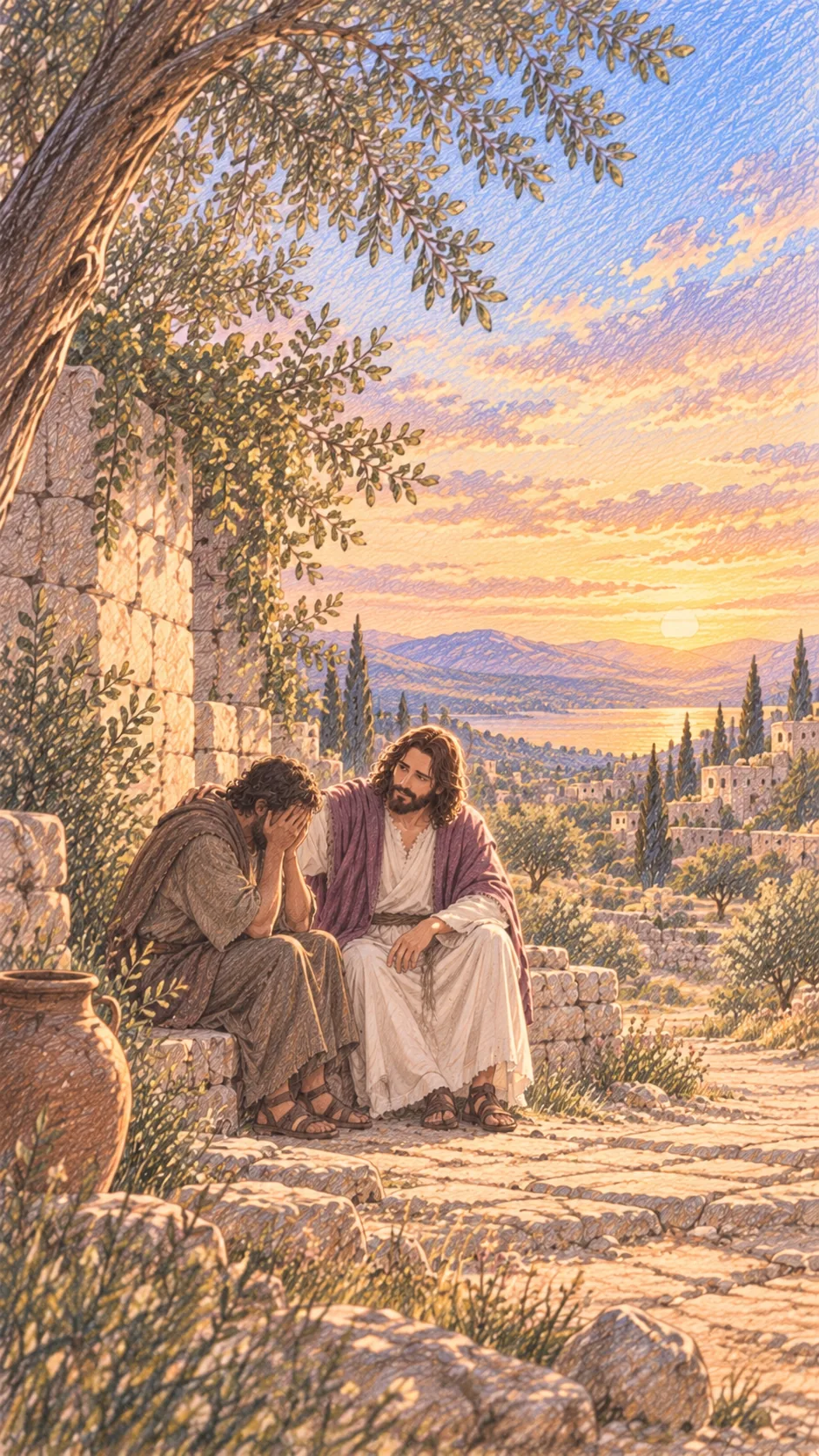
But why would God become human?
Here the Bible begins to speak about us.
We want to love, yet fail to love. We want to do what is right, yet we make mistakes. We do not want to hurt others, yet we do.
The Bible uses the word “sin” for the reality within us that turns away from God.
It says Jesus came to bear that sin and save people.
That is why his being both God and human is not merely a difficult doctrine to memorize. It is a claim about our salvation.

And Jesus went to the cross.
The one without sin died bearing the sins of others.
The disciples must have felt that everything they believed in had come to an end.
The person they had walked with was gone. Even the hope they had carried seemed to disappear before the cross.
But the story does not end there.
The Bible says that Jesus, who died, rose again—and that the disciples met him again.
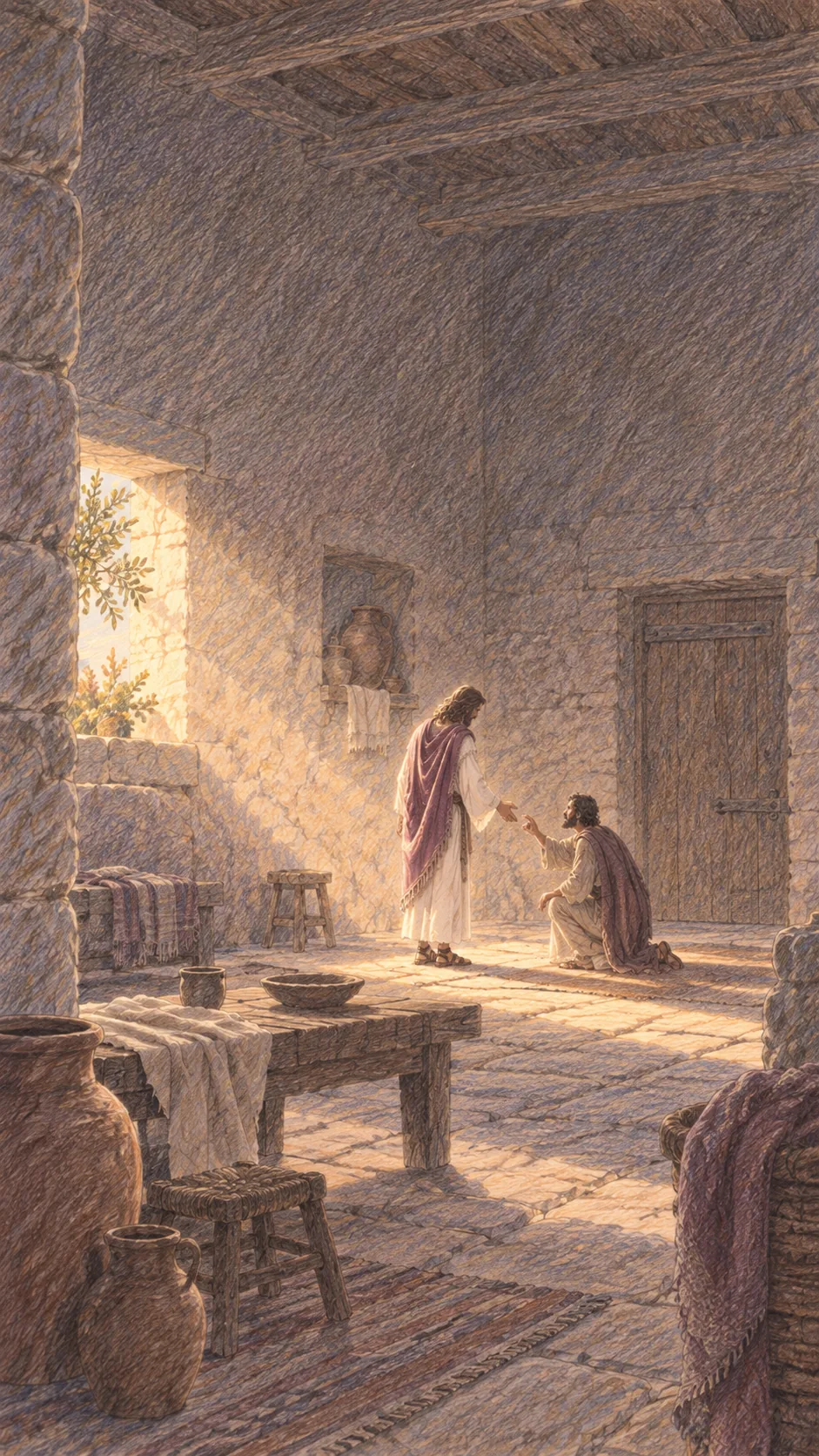
There was one person who still could not believe.
Thomas.
When the risen Jesus first appeared to the disciples, Thomas was not there. Even when his friends told him, “We have seen the Lord,” he could not believe immediately.
Eight days later, Thomas was with them.
When Jesus stood among them, these words came from Thomas:
“My Lord and my God.”
It was not a long explanation. But for Thomas, it was the answer.
Jesus did not say merely, “I will show you the way.”
He described himself as
“the way, the truth, and the life.”
Christianity is not centered only on teachings or rules.
It is centered on the one who, though God, became human and came to save us.
Jesus Christ.
So if you want to understand Christianity, the first place to begin is with him.
As we begin to know Jesus, another question naturally follows.
“Then does God really exist?”