

What is sin?
When you read the Bible, one word appears again and again.
Sin.
When we hear that word, we may think of crime, hurting people, or doing things we know we should not do.
Those are certainly part of the conversation.
But the Bible's idea of sin goes deeper.
It is a word about the relationship between God and humanity.

Sin is more than simply “doing something bad.”
The Bible speaks of sin as turning against God's word, refusing to follow God, and placing our own will above his.
So it is more than breaking one rule.
At its center is the desire to make ourselves—not God—the center.
That is part of the depth of what the Bible means by sin.
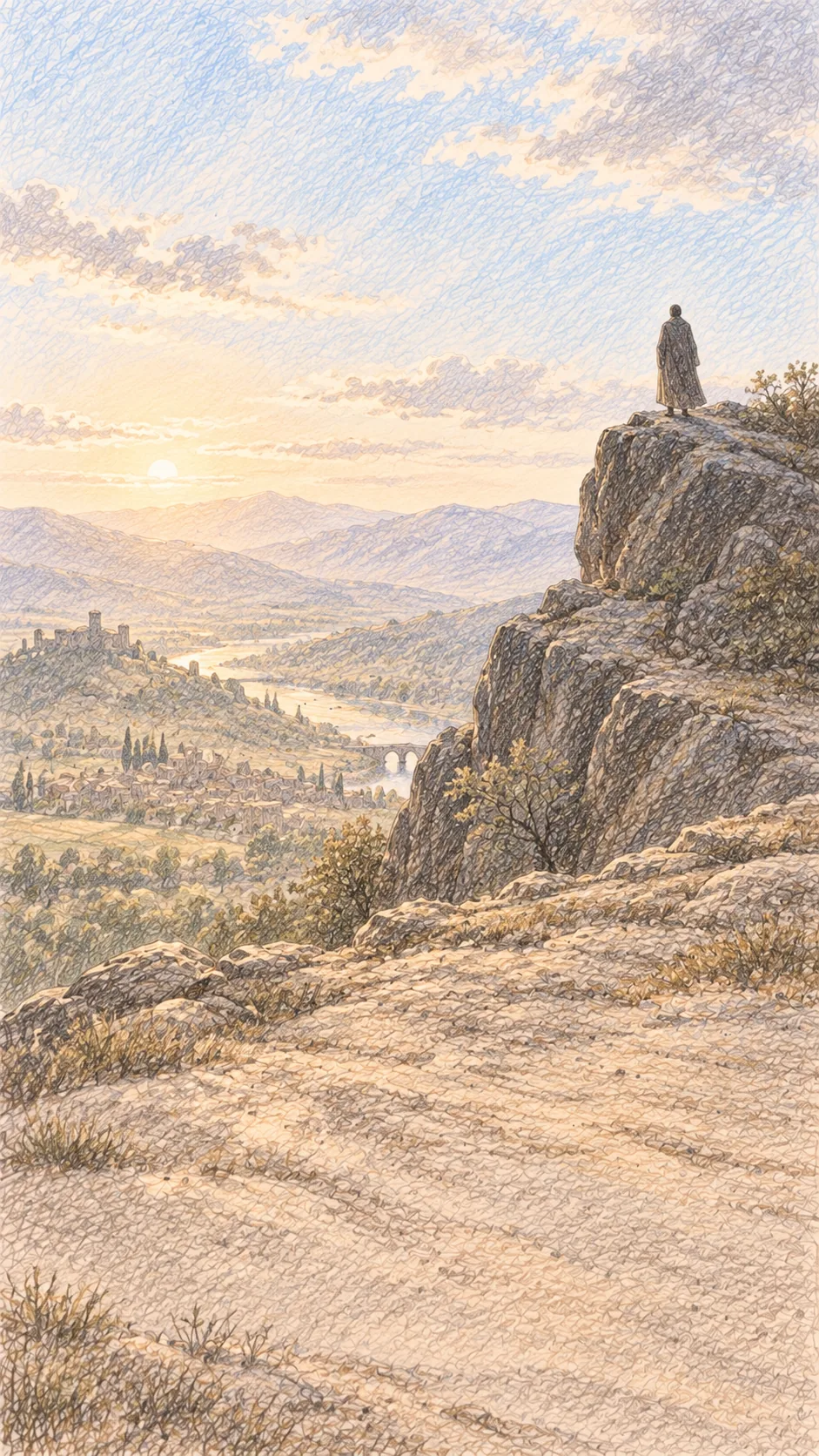
The Bible also speaks of beings who rebel against God.
Christian tradition has often spoken of the being who rebelled against God and sought to exalt himself as “Lucifer” or “Satan.”
“I want to rise higher.” “I want to be like God.”
Instead of receiving God as God, rebellion tries to place the self in God's place.
In that pattern, Christians have seen a picture of sin as rebellion.
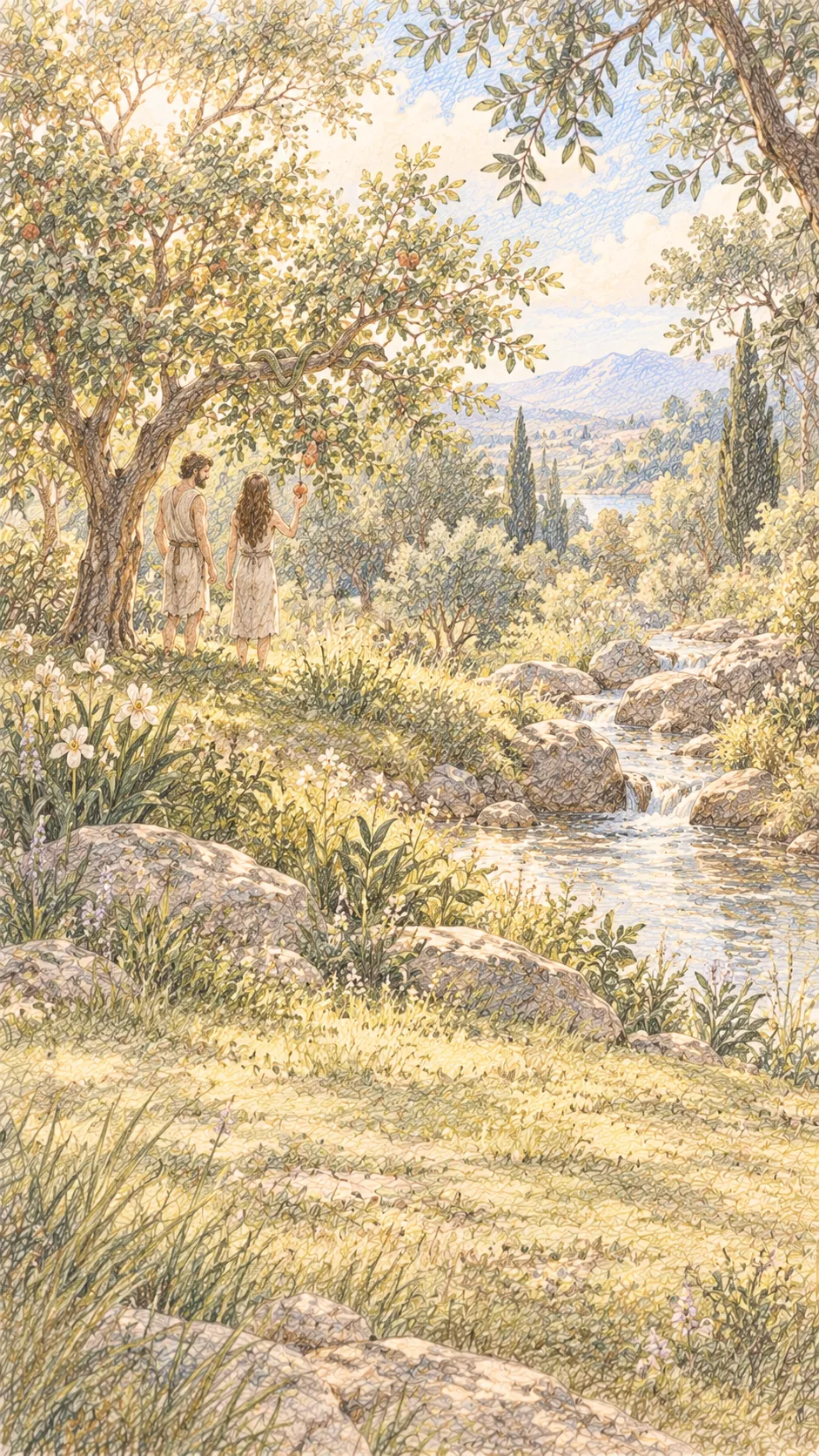
And that temptation is directed toward humanity too.
In Genesis 3, the serpent leads Adam and Eve to doubt God's word.
Instead of trusting God, they are drawn toward deciding good and evil for themselves.
The result is a broken relationship between humanity and God.
“I will decide, rather than God.”
The story of Eden also portrays sin as rebellion.

But sin is not only an ancient story.
If we compare ourselves, it can be easy to say, “That person is bad; I am not that bad.”
But the Bible does not treat sin as a problem belonging only to unusually evil people.
It says that sin entered the human world through Adam.
And it speaks of a bent toward sin within humanity itself.
In the Bible, sin is a problem that concerns every one of us.

The Bible says this condition continued through humanity.
We inherit physical features and many other traits from our parents.
Christian teaching has also understood humanity's bent toward sin, beginning with Adam, as something that continues through the human family.
In the Psalms, David laments that he has lived within the reality of sin from birth.
Sin is not only about individual actions. It reaches into the human heart.
That is how the Bible describes it.
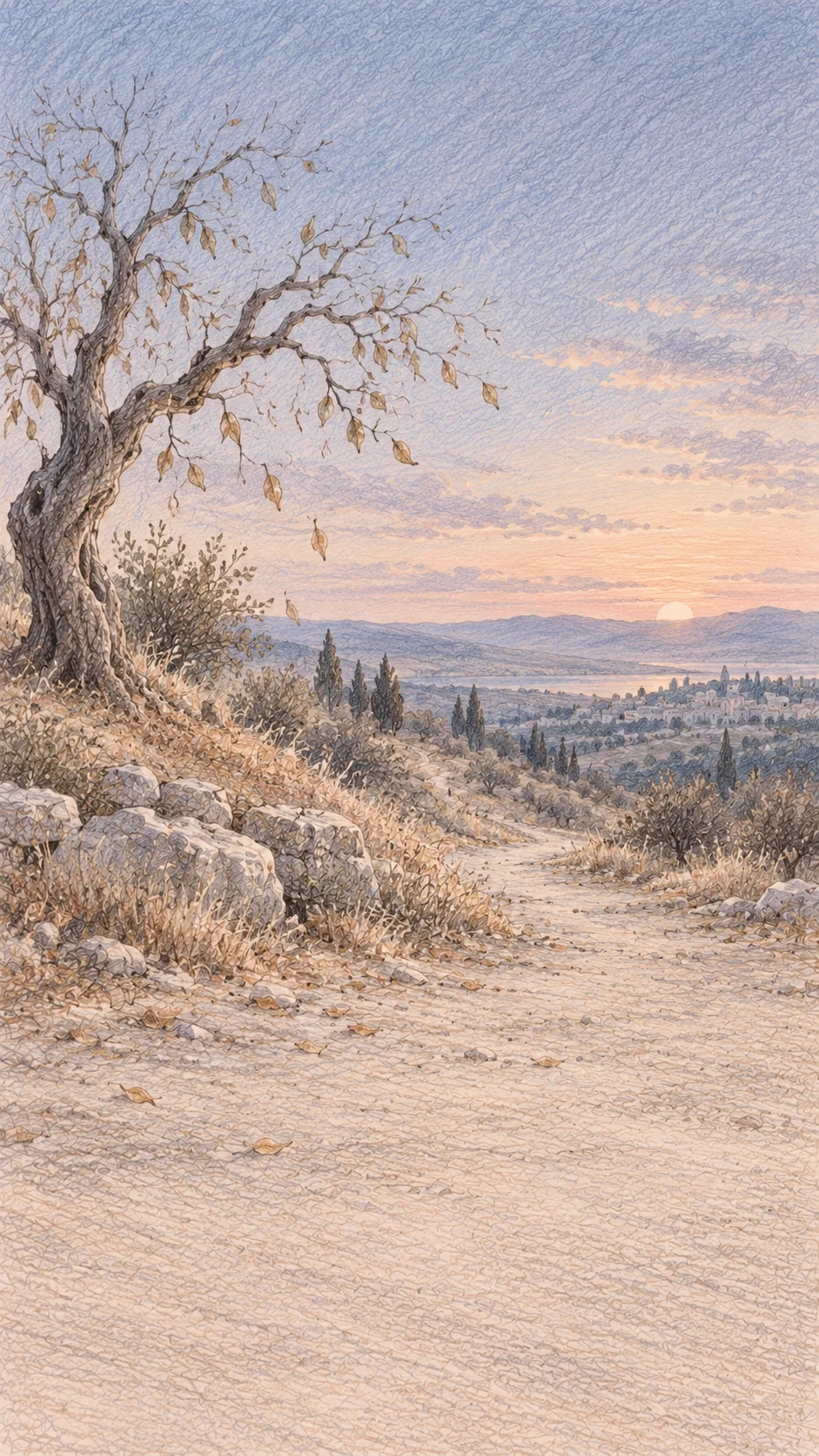
And the Bible connects sin with death.
Romans says that sin entered the world through one man, and that death entered through sin.
It also describes “death” as what sin brings.
So sin is not presented as a minor rule violation.
It is separation from God—a broken relationship with the source of life.
The Bible describes the end of that path with the word “death.”

So what did sin cause us to lose?
Relationship with God. Life. The fellowship with God for which human beings were made.
If sin is not merely a matter of reducing a few bad behaviors, but something that affects our relationship with God itself,
then perhaps what we need is more than simply becoming a better person.
We need a broken relationship to be restored.
That leads to the next question.
What is true happiness?
Thinking about sin brings another question into view.
When our relationship with God is restored, what do we receive again?